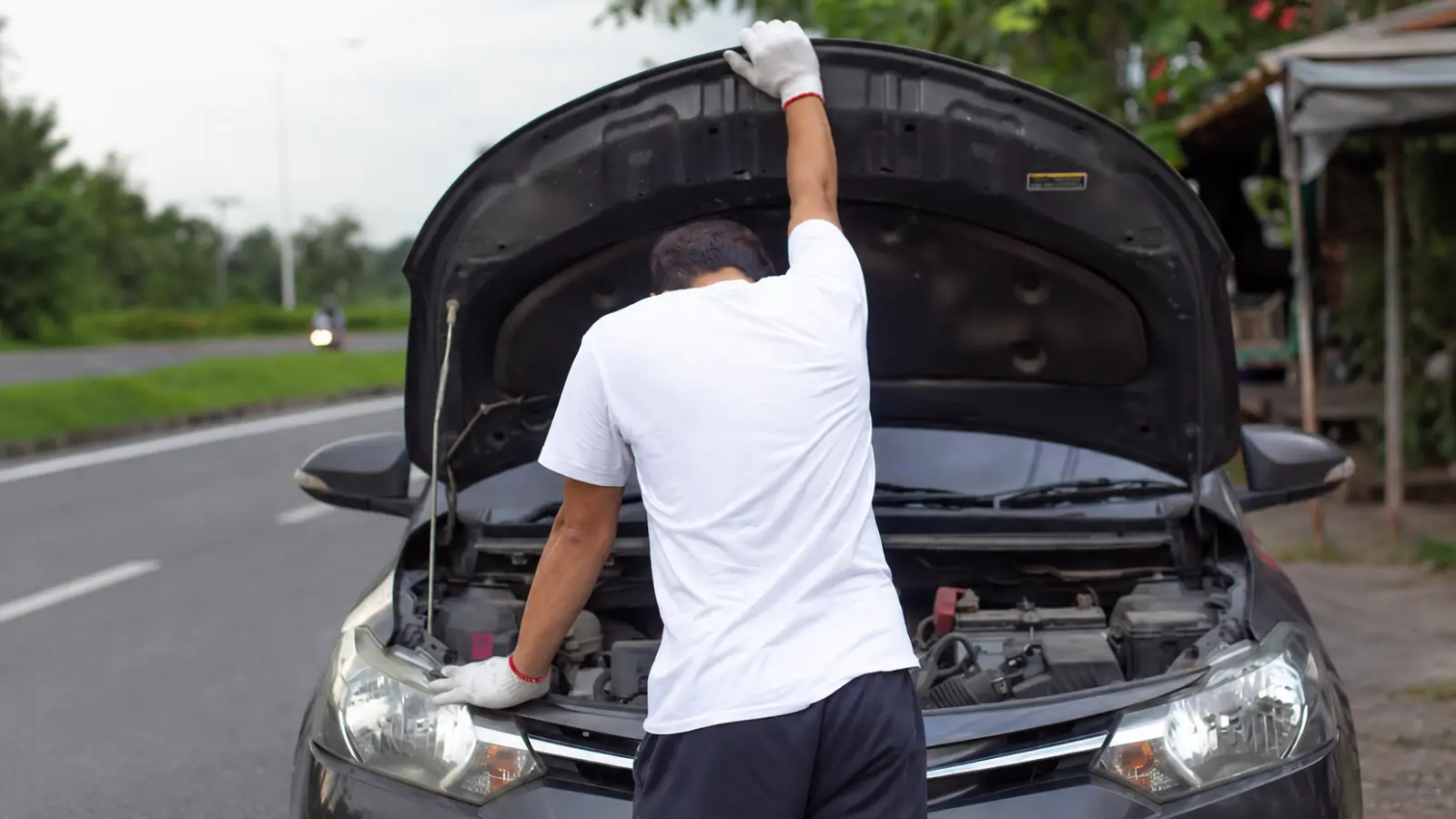


A car battery does more than start your engine. It supplies electrical power to essential vehicle systems, supports electronics when the engine is off, and works alongside the charging system to keep everything operating properly. But when a car struggles to start, the battery is not always the problem.
A weak or discharged battery can cause slow cranking, clicking sounds, dim lights, and unexpected electrical issues. Similar symptoms, however, can also result from corroded connections, a faulty starter, charging-system problems, or an electrical drain while the vehicle is parked. Understanding these differences can help you avoid unnecessary replacements.
This car battery guide explains how automotive batteries work, the differences between common battery types, what group sizes and cold cranking amps mean, and how long batteries typically last. You’ll also learn how to recognize warning signs, understand testing and charging options, choose a compatible replacement, and determine the safest next step when battery problems appear.
What a Car Battery Does
In a conventional gasoline vehicle, the 12-volt car battery stores electrical energy and provides the high current the starter needs to crank the engine. It also powers accessories when the engine is not running and helps keep system voltage stable as electrical demand changes.
That role is broader than “starting the car.” Modern vehicles rely on the battery for locks, alarms, memory settings, control modules, displays, lighting, and other electronics. A weak battery can therefore produce symptoms that seem unrelated, but those symptoms still need testing before the battery becomes the conclusion.
In a hybrid, the 12-volt battery generally powers up the low-voltage electronics and control systems, and it does not necessarily crank the gasoline engine the way a conventional starter battery does. The exact sequence depends on the vehicle. Either way, this guide covers only the ordinary low-voltage battery. High-voltage traction batteries and orange high-voltage cabling are specialist territory and not a DIY job.
Car Battery vs. Alternator vs. Starter
The battery, alternator, and starter are connected, but they do different jobs. Knowing the difference prevents one of the most common automotive mistakes: replacing the battery because the car will not start, without considering the rest of the system.
| Part | Main Job | What a Symptom Does Not Prove |
|---|---|---|
| Battery | Stores low-voltage electrical energy and supplies cranking current in conventional vehicles | A no-start does not automatically mean the battery has failed |
| Alternator | Supports electrical demand and normally recharges the 12-volt battery while the engine runs | A low battery alone does not prove an alternator fault |
| Starter | Uses electrical power to crank a conventional engine | Clicking or no cranking can have more than one cause |
A healthy battery can still leave a vehicle unable to start if the starter, cables, or connections have a problem. A low battery can also be the result of poor charging or an electrical draw while the vehicle is parked. Evidence, not the first symptom that appears, should decide the next step.
Car Battery Types and Compatibility
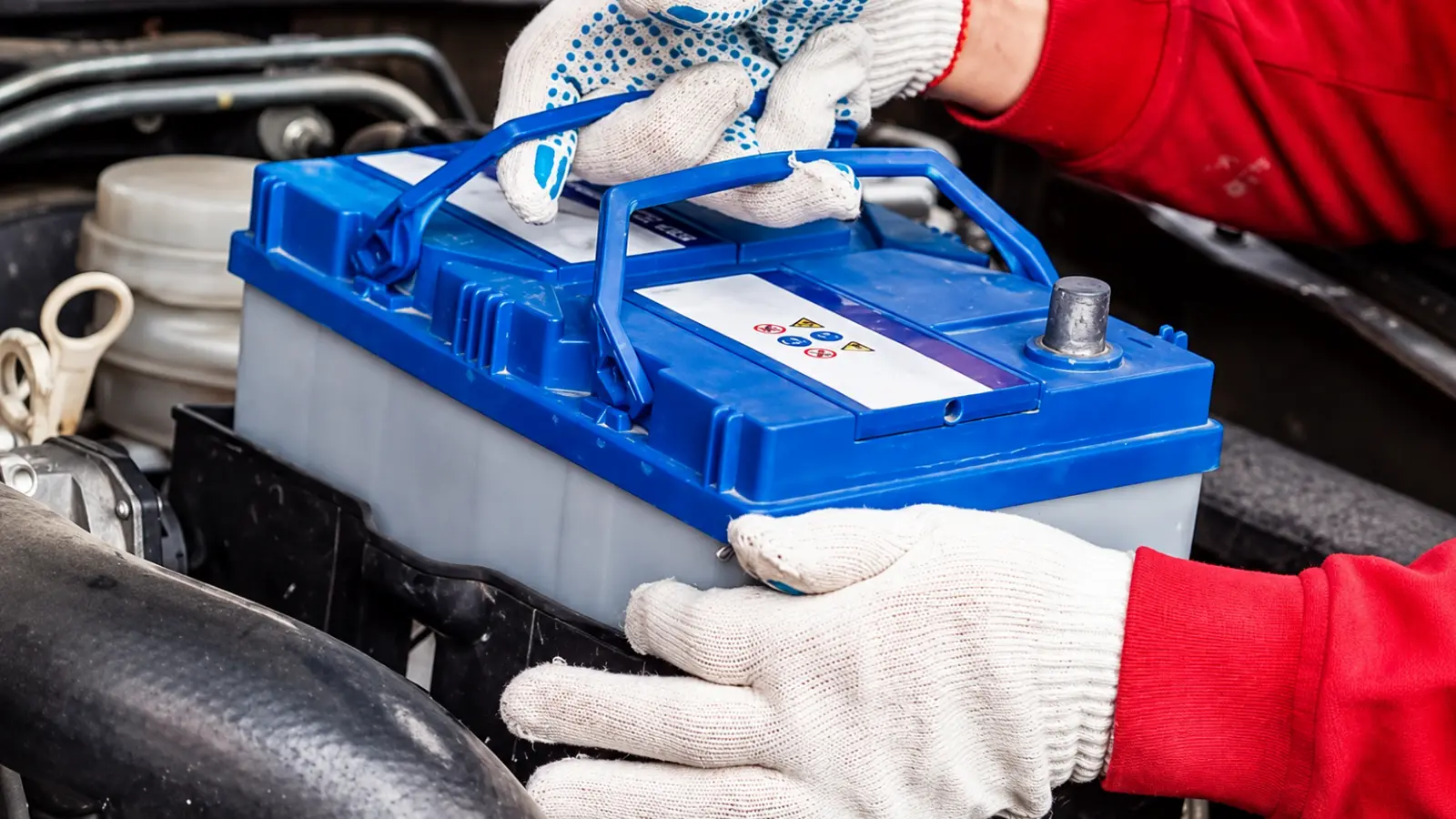
Most car batteries are lead-acid batteries, but not all lead-acid designs are interchangeable. The safest replacement is the one that matches the vehicle’s original requirements for physical fit, electrical performance, and battery technology.
Conventional Flooded Batteries
A conventional flooded battery uses liquid electrolyte and remains common in many vehicles. It is the right replacement where the vehicle was designed for it, but it is not a universal lower-cost substitute for another battery type.
AGM Batteries
AGM means absorbed glass mat. This sealed lead-acid design is used in many vehicles with start-stop systems or higher electrical demand. If a vehicle came with an AGM battery, replacing it with a basic flooded battery may not suit the vehicle’s electrical system.
EFB Batteries
EFB means enhanced flooded battery. It is different from both a conventional flooded battery and AGM, and some start-stop vehicles use it. The correct replacement is the technology specified for that vehicle, not whichever battery happens to share a similar shape.
Start-Stop Vehicles Need a Closer Match
Start-stop systems place different demands on the battery because the vehicle repeatedly restarts the engine and manages electrical loads. Many of these vehicles require AGM or EFB, but the exact requirement is vehicle-specific. Do not downgrade the battery type just because a conventional battery fits the tray.
The question is not which type sounds more advanced. It is which type is correct for the vehicle. For the fuller comparison, see AGM vs. EFB vs. conventional car batteries.
Group Size, CCA, and Other Battery Ratings
A 12-volt car battery still has to fit the vehicle. Selection involves physical dimensions, terminal position, hold-down compatibility, electrical ratings, and, on some vehicles, venting or battery-management requirements.
What Group Size Means
In the United States, a battery group number is a fitment starting point. It commonly relates to case dimensions and terminal layout. It does not mean every battery in that group has the same capacity, CCA rating, construction, or suitability for a specific vehicle.
Confirm the needed group size in the owner’s manual, a verified fitment source, or the original-equipment information. The car battery sizes and group numbers guide covers this part of fitment in more detail.
What CCA Means
CCA means cold cranking amps, a rating related to a battery’s ability to deliver starting current in cold conditions. It is useful when comparing batteries that already meet the vehicle’s group size and technology. It is not a diagnosis, and a higher number cannot correct poor terminals, a charging fault, or a starter problem.
When the vehicle has a specified minimum rating, meet it. Do not choose only by the largest number on a label, because the battery has to be correct as a complete package.
How Long a Car Battery Lasts
A car battery has no fixed expiration date, but three to five years is a common planning range. Some last longer and others fail sooner, depending on climate, driving pattern, vibration, maintenance, and how often the battery is left partially discharged.
Heat is especially hard on batteries. AAA notes that batteries in hot southern climates tend to last closer to three years, while cooler regions often see five or more. Cold weather, by contrast, tends to expose a battery that is already weak. Frequent short trips can leave a battery without a full recharge, and a vehicle left parked for long periods can slowly discharge it.
Age is a reason to test a battery more closely, not proof that it must be replaced.
Signs Your Car Battery Needs Attention
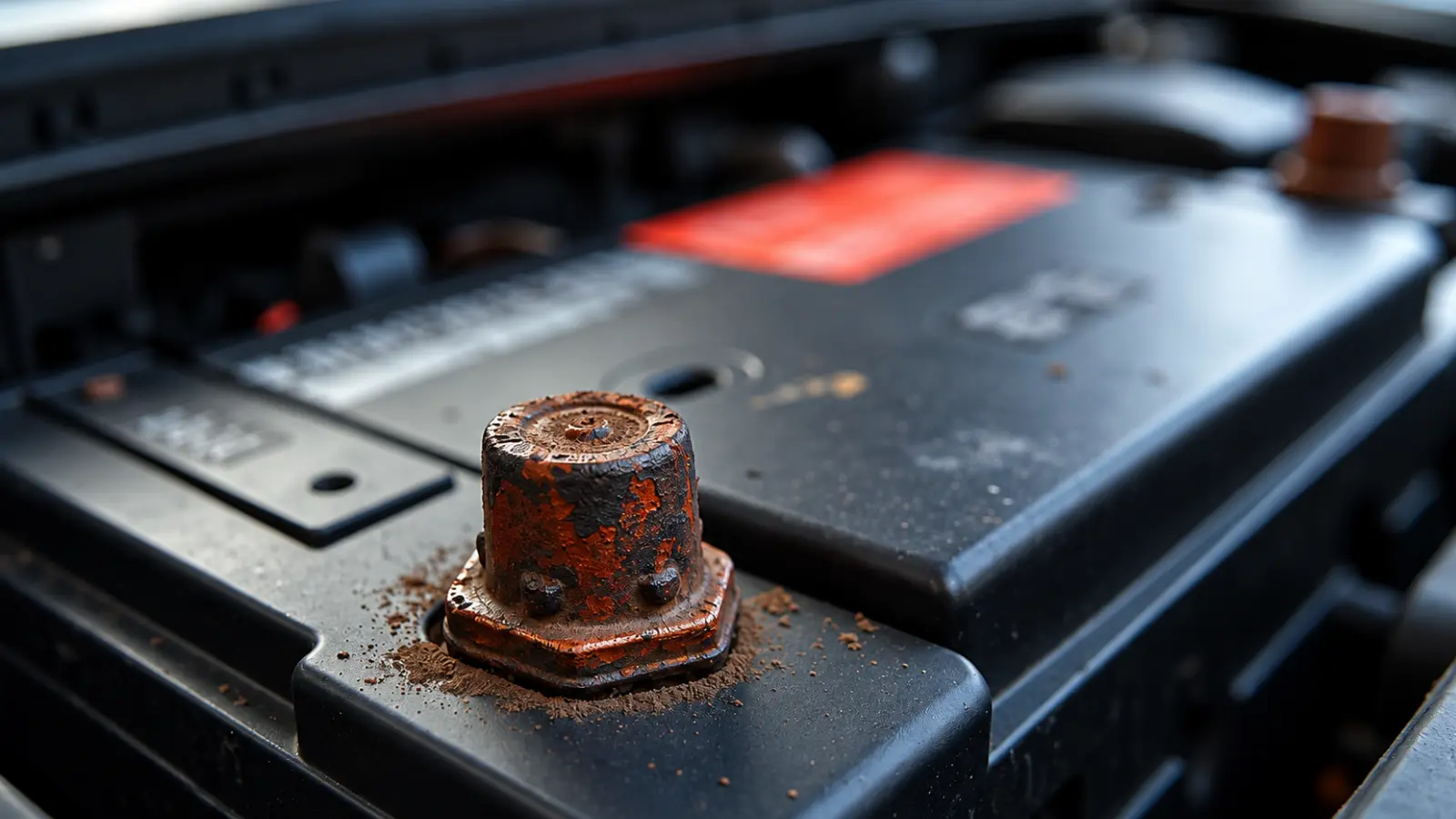
Symptoms can tell you the starting and charging system needs attention, but none of them proves a single failed part. The best clues are often the pattern: what happened, how long the vehicle sat, whether the engine cranked, and whether the problem returns.
- Slow or hesitant cranking: May point to a low or weak battery, but connections, temperature, the starter, and engine condition can also matter.
- Repeated jump-starts: A battery may be losing capacity, but the vehicle may also have a charging or parked-draw issue.
- Dim lights or unusual electrical behavior: Low voltage can contribute, but so can loose or corroded connections and other electrical faults.
- Visible corrosion at the terminals: Can interfere with current flow and deserves attention before a battery is condemned.
- A swollen, cracked, leaking, frozen, or hot battery: Not a normal maintenance item. Do not jump-start or charge it; arrange appropriate service.
Before charging, disconnecting, or replacing anything, note the warning lights, sounds, and conditions present. Useful evidence is easy to erase and can make the real problem harder to find later.
What the Battery Warning Light Can Mean
In many vehicles, the battery-shaped warning light is a charging-system warning, not a verdict that the battery itself has failed. It can appear when the vehicle detects a problem affecting charging or system voltage, and the exact meaning and urgency depend on the vehicle.
If the light comes on while driving, do not assume a new battery is the answer. Follow the owner’s manual, reduce unnecessary electrical load when it is safe to do so, and arrange prompt diagnosis. If the vehicle develops other warning signs or feels unsafe to drive, stop in a safe location and call for assistance.
Why a Car Battery Keeps Dying
A battery that repeatedly goes flat needs more than another jump-start. Possible causes include a battery that can no longer hold a charge, poor terminal or cable connections, a charging-system fault, an accessory left on, or an electrical draw while the vehicle is parked.
Note when it happens, such as after overnight parking, after short trips, or after a specific accessory was used. Then have the battery and charging system tested before replacing parts. The diagnostic path is in why a car battery keeps dying.
What to Do Next
The right first move depends on the job you are trying to solve. A jump-start may be appropriate in a safe situation, but it is not a test. Replacing a battery may be necessary, but it should follow a fitment check and, when the cause is unclear, a meaningful diagnosis.
| Task | What It Answers | Safe First Step | Related Guide |
|---|---|---|---|
| The car will not start | What to do before assuming the battery has failed | Look for obvious battery damage, note the symptoms, and avoid repeated start attempts | Dead Car Battery: What to Do First |
| You need to get moving | Whether a jump-start is an appropriate temporary step | Use the owner’s manual and do not jump a visibly damaged or frozen battery | How to Jump-Start a Car Safely |
| You want to know whether the battery is good | What a battery check can and cannot prove | Inspect the case and connections, then test rather than relying on one symptom | How to Test a Car Battery |
| You need to recharge it | Whether charging is suitable and how it differs from battery health | Follow the charger and vehicle instructions; stop if the battery looks abnormal | How to Charge a Car Battery Safely |
| You are replacing it | What must match the vehicle besides “12 volt” | Confirm group size, technology, terminal layout, and vehicle-specific requirements | How to Replace a Car Battery Safely |
| You are planning the expense | Why replacement totals vary by vehicle and battery requirements | Check the specified battery type and whether access or registration changes the job | Car Battery Replacement Cost |
None of these steps alone proves the whole starting and charging system is healthy: outside power may start the car, a charger may restore charge, and a test may reveal battery condition, but each answers a different question.
Testing a Car Battery
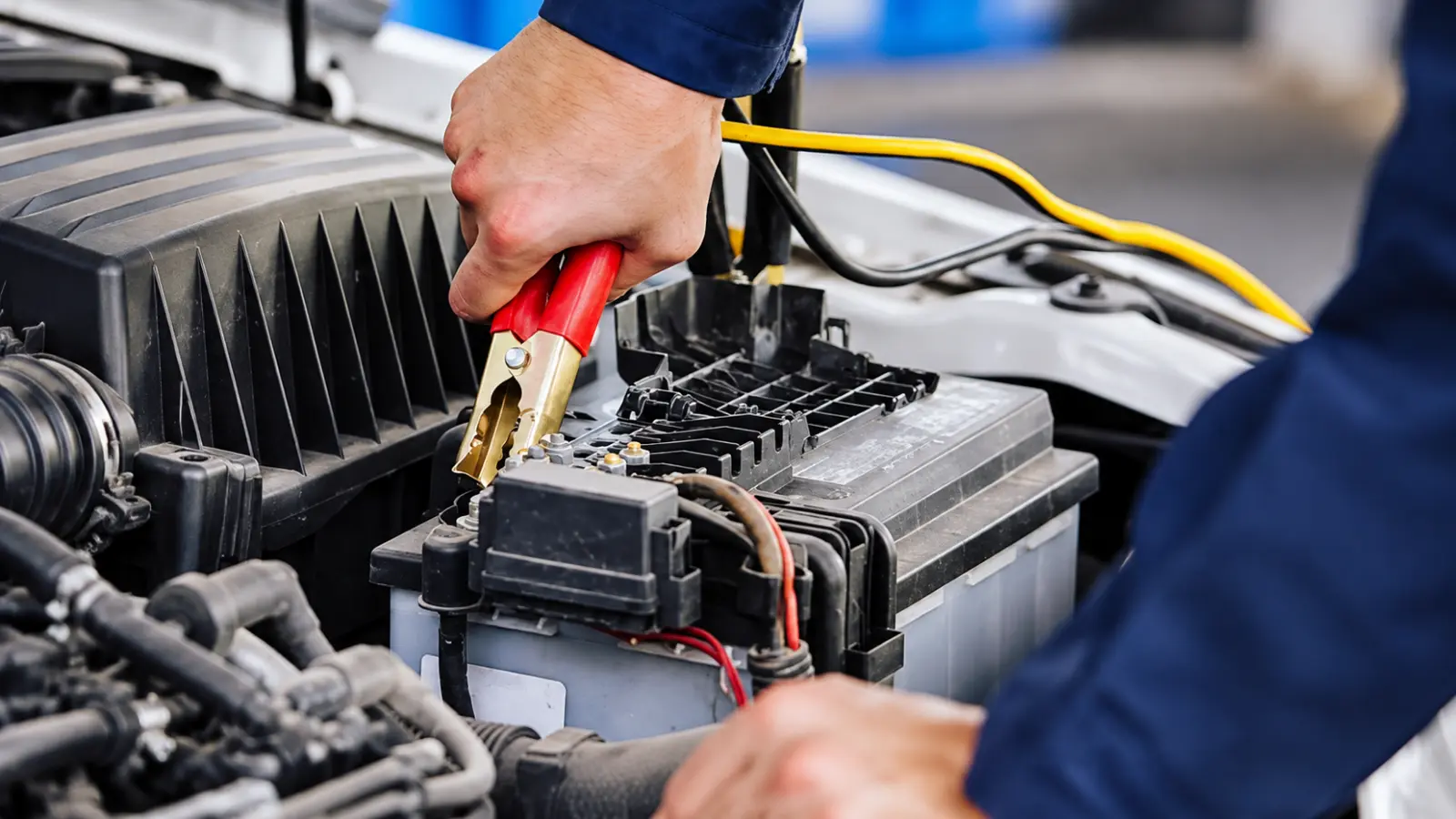
A proper battery check looks beyond whether the lights turn on or whether the engine started once after a jump. State of charge, battery health, terminal condition, and the surrounding charging and starting system all affect the result.
A voltage reading is useful context, not a verdict. On a conventional lead-acid battery that has rested after charging, about 12.6 volts is commonly associated with a full charge. Surface charge, temperature, battery type, and recent charging all change what a reading means, and with the engine running, smart-charging systems can vary output, so there is no single “normal” number for every vehicle.
Before clearing warnings or disconnecting the battery to “reset” something, record what the vehicle is showing, because a reset can erase evidence. The visual checks and how to interpret results are covered in how to test a car battery.
Jump-Starting and Charging Are Not the Same Thing
A jump-start is a temporary way to provide outside power when a serviceable but discharged 12-volt battery cannot start the vehicle. Charging uses a compatible charger to restore energy over time. Neither proves the battery is healthy or explains why it became discharged.
Safety first: Do not jump-start or charge a battery that is frozen, cracked, leaking, swollen, or otherwise visibly damaged. Use the owner’s manual for approved jump points and special instructions. On a hybrid or EV, identify the designated low-voltage terminals and do not handle high-voltage components.
If the vehicle starts after a jump, do not assume the situation is solved. A one-time discharge may be harmless, but repeated events call for a battery and charging-system check. The procedures are in how to jump-start a car safely and how to charge a car battery with a charger.
Replacing a Car Battery
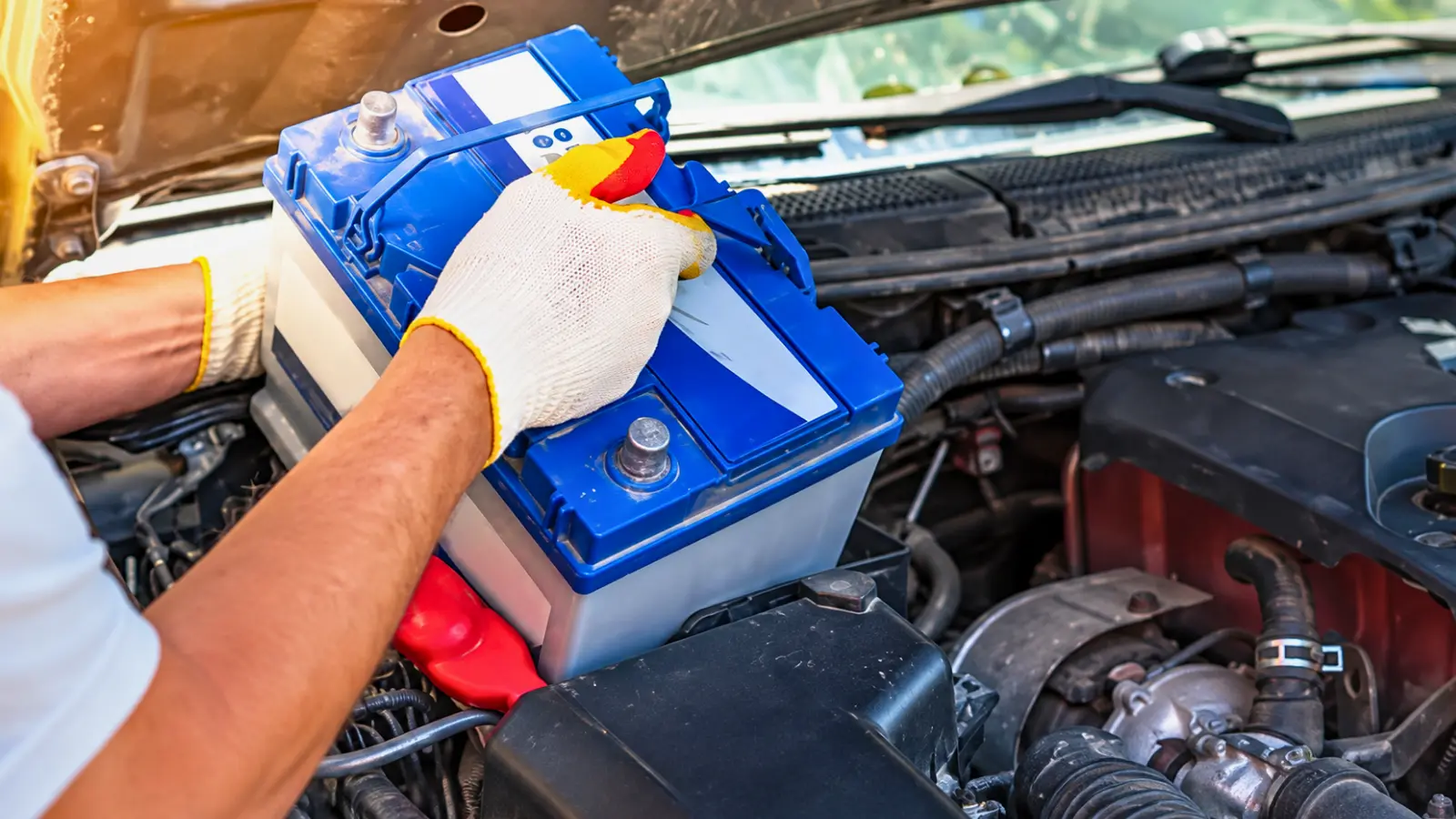
A battery should be replaced when it has been properly tested and cannot meet the vehicle’s needs, when it is physically damaged, or when the evidence supports replacement after the rest of the system has been considered. One jump-start, by itself, is not enough to make that call.
Before buying or installing a replacement, confirm the group size, terminal layout, hold-down fit, battery type, required starting rating, and any vehicle-specific venting, registration, or coding requirement. Access also varies widely: some batteries are easy to reach, while others sit under a seat, in the trunk, or behind other components. When access is difficult or the vehicle needs registration or coding after a swap, professional installation may make more sense.
The installation sequence and DIY limits are in how to replace a car battery safely. If you are budgeting for the job, car battery replacement cost explains what changes the total.
Car Battery Care, Storage, and Disposal
Many modern batteries are described as maintenance-free, which generally means the owner does not add water or service the inside of the battery. It does not mean the installation can be ignored.
- Keep the battery secured: A loose battery can damage the case, terminals, hold-down, and nearby components.
- Address corrosion and loose connections: Both can interfere with current flow and create symptoms that mimic a weak battery.
- Avoid long periods of deep discharge: If a vehicle will sit for an extended period, use the owner’s manual to decide whether a compatible maintainer is appropriate.
- Test early: An occasional check is more useful than waiting for a complete no-start, especially when starting becomes inconsistent.
- Recycle the old unit: Return a removed automotive battery through a retailer, repair facility, or accepted local recycling program. Do not place it in household trash.
Most of this comes down to secure mounting, clean connections, and testing before the battery fails rather than after.
Understand the Problem Before Replacing the Battery
A reliable car battery is essential to your vehicle’s electrical system, but a starting problem does not automatically mean the battery needs replacement. Battery condition, charging performance, cable connections, and starter operation all contribute to how a vehicle starts and runs.
The best approach is to recognize the symptoms, check for obvious safety concerns, and use appropriate testing to identify the cause before purchasing a replacement. When a new battery is necessary, matching the correct group size, technology, electrical ratings, and vehicle-specific requirements matters more than choosing the highest advertised specifications.
Whether you’re dealing with a dead battery, preparing for replacement, or simply trying to prevent unexpected problems, understanding how the system works will help you make safer, more informed decisions.
Frequently Asked Questions
How long does a car battery last?
Most conventional 12-volt car batteries last approximately three to five years, although actual lifespan depends on climate, driving habits, battery technology and maintenance. High temperatures can accelerate deterioration, while frequent short trips and extended periods of inactivity may contribute to undercharging. A battery can fail earlier or remain serviceable longer, so age alone should not determine replacement. Testing its condition is more reliable than following a fixed replacement schedule.
What are the signs of a bad car battery?
Common warning signs include slow engine cranking, difficulty starting, dim lights, intermittent electrical problems and repeated need for jump-starts. However, these symptoms can also result from corroded terminals, loose connections, a faulty starter or charging-system problems. A battery that is swollen, cracked, leaking or unusually hot requires immediate attention and should not be jump-started or charged. Proper testing helps distinguish battery failure from other electrical faults.
Does a car battery need to be replaced after a jump-start?
Not necessarily. A successful jump-start indicates that external electrical power helped the vehicle start, but it does not establish whether the battery is defective. A battery may become discharged because lights were left on, the vehicle remained parked for an extended period or the charging system failed to replenish its energy. If the problem happens repeatedly, have the battery, connections and charging system checked before purchasing a replacement.
What is the difference between AGM, EFB and regular car batteries?
Conventional flooded batteries contain liquid electrolyte and are commonly used in vehicles with standard starting requirements. Enhanced flooded batteries (EFB) are designed for improved cycling performance, while absorbed glass mat (AGM) batteries use electrolyte held in fiberglass separators and generally offer greater cycling capability. Many start-stop vehicles require EFB or AGM technology. The correct choice depends on the vehicle manufacturer’s specifications, and batteries should not be considered interchangeable simply because their dimensions match.
What do battery group size and CCA mean?
Battery group size identifies a standardized physical configuration associated with dimensions and terminal arrangement, helping determine whether a battery fits the vehicle. Cold cranking amps (CCA) measure a battery’s ability to deliver starting current under specified cold-temperature conditions. Both matter when selecting a replacement, but neither guarantees compatibility on its own. Always verify the required battery technology, terminal orientation, mounting arrangement, starting rating and any vehicle-specific electrical requirements.
How do I know whether my car battery or alternator is bad?
A weak battery and a faulty alternator can produce similar symptoms, including starting difficulties and electrical problems. The battery stores electrical energy, while the alternator normally supplies power and recharges the battery when the engine runs. A battery that repeatedly discharges may be worn out, but it may also indicate inadequate charging or an electrical draw while parked. Battery condition testing and charging-system diagnostics are needed to identify the cause. A battery-shaped warning light while driving often indicates a charging-system problem rather than battery failure alone.