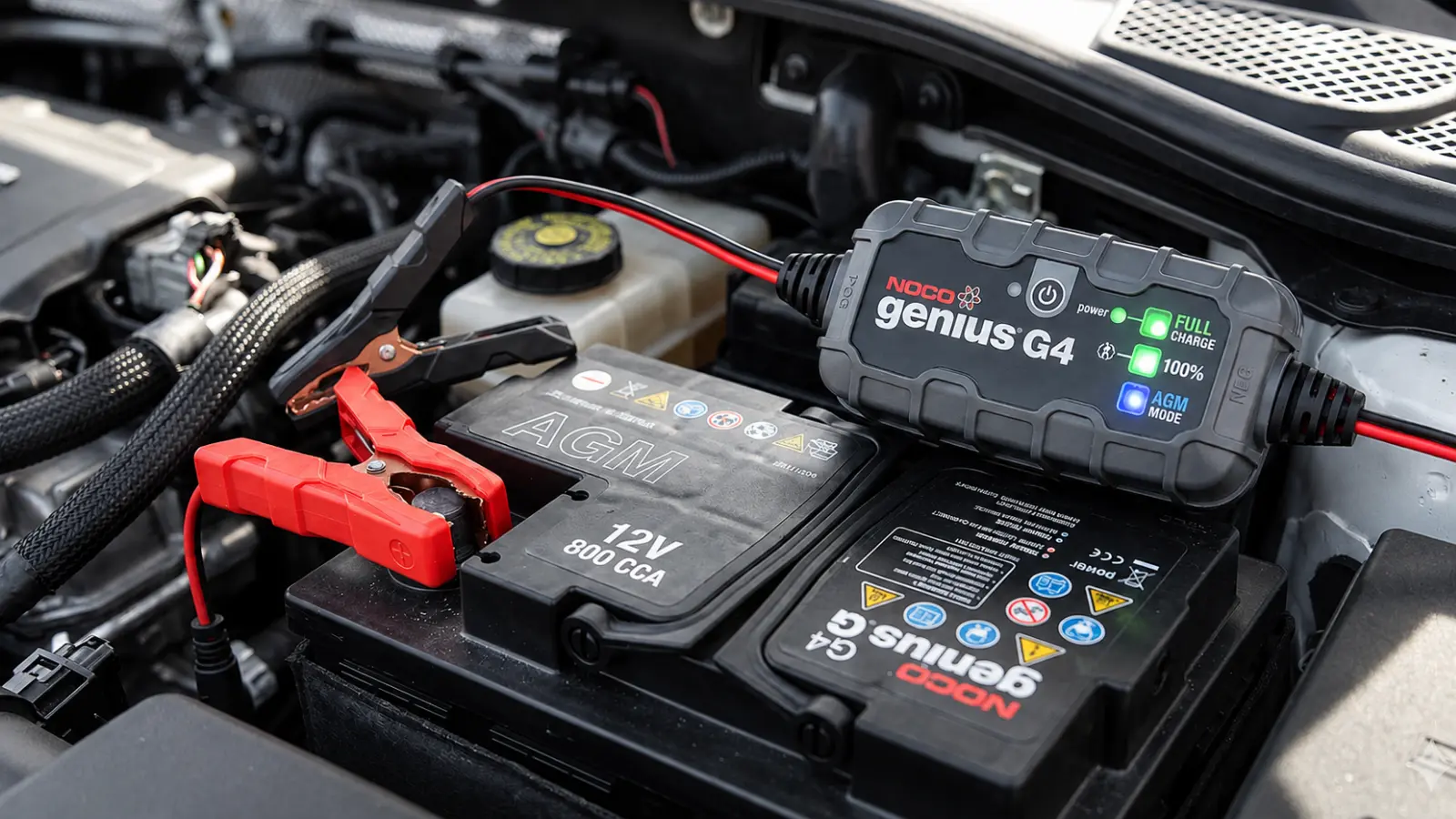


If your car won’t jump start, the problem may be more than a dead battery. Loose or corroded connections, weak jumper cables, an insufficient power source, or a failing battery can prevent enough current from reaching the starter. In other cases, the battery isn’t the main problem, and another jump-start attempt won’t get the engine running.
The most useful clue is what happens when you try to start the car. Rapid clicking, slow cranking, a single click, or no response at all can point toward different problems. If the engine cranks normally but won’t start, the cause may involve fuel delivery, ignition, or another system rather than insufficient battery power. Before checking anything, make sure the vehicle is in a safe location and stop if the battery shows signs of damage.
This guide explains why a car may not start even with jumper cables or a portable jump starter, which connections and symptoms to check first, and when further attempts are unlikely to help. You’ll also learn when to call roadside assistance and what information can help a technician diagnose the problem without replacing parts unnecessarily.
Check the Jump Connection First
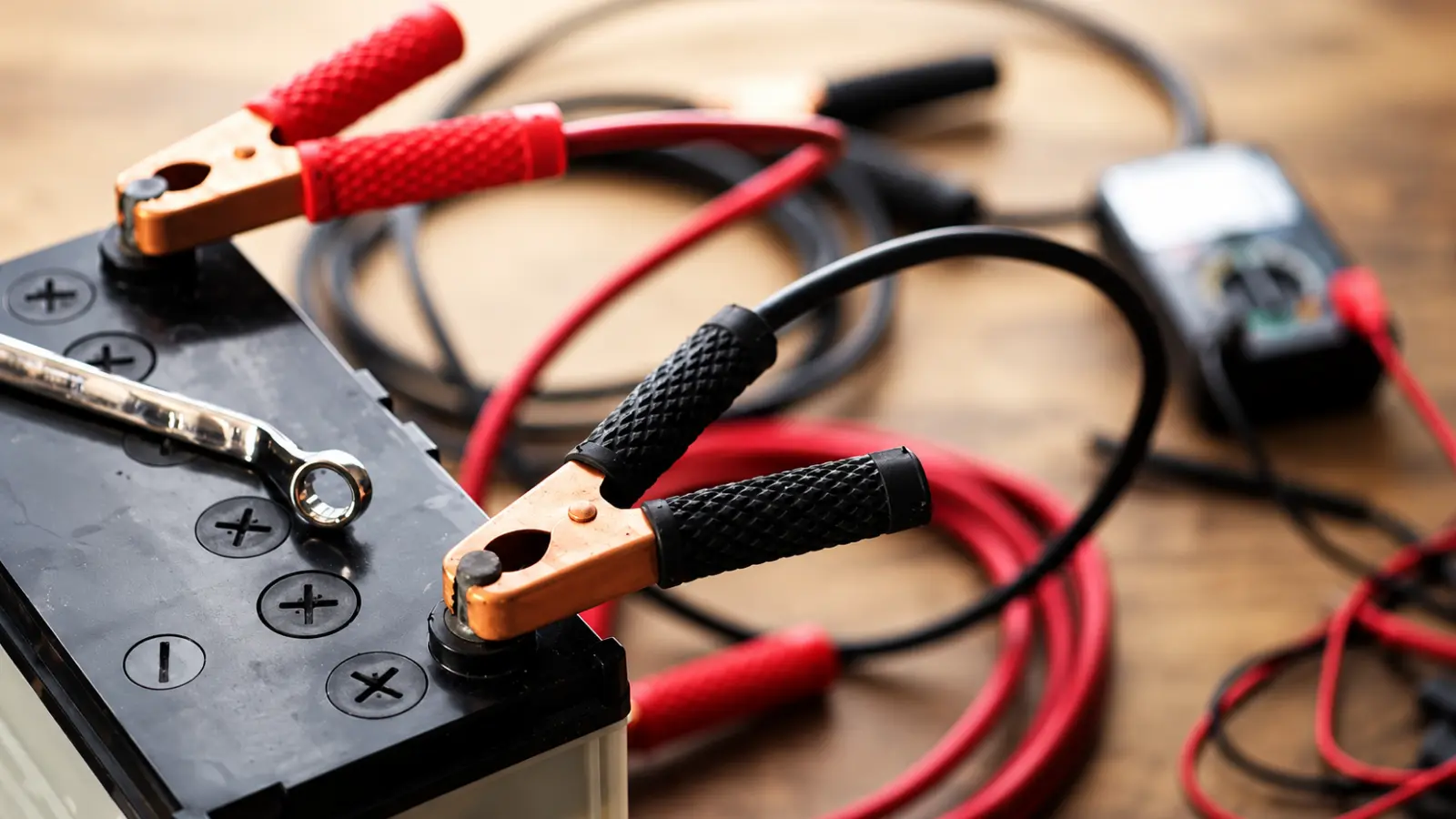
A poor connection is the first thing to rule out, and AAA lists it as the most common reason a jump fails. If the clamps, cables, or power source cannot deliver enough current, the dead car behaves exactly as if the battery were beyond saving.
- Clamp contact: Each clamp needs to bite into clean, bare metal. Even a thin layer of whitish-blue corrosion can stop current. If you see it, disconnect the cables safely and clean the contact surface with a wire brush, wearing eye protection, before trying again.
- Ground point: The final black clamp belongs on a clean, unpainted metal ground point on the dead car, as your manual specifies, not on the dead battery’s negative terminal. Jumper Cable Order covers the sequence.
- The cables themselves: Thin, frayed, or old cables can fail to carry enough power. AAA notes that cheap, thin cables are a frequent point of failure, especially on larger engines or in freezing weather, and that internal corrosion on older cables is easy to miss by eye.
- The power source: Both vehicles should use a 12-volt system, and a portable booster should be charged. A weak booster behaves like a weak donor car.
Time matters too. If the helper vehicle only ran for a moment before you tried to start, a deeply discharged battery may not have gained enough to crank (the FAQ below gives AAA’s timing guidance). Avoid long cranking attempts, which can overheat the starter without telling you anything new.
If the connection looks good, check the car’s own start conditions. Many automatics need to be in Park or Neutral, and push-button models usually want the brake pedal pressed and the key fob inside the car. A flashing security light is another clue. These requirements vary by vehicle, so use the owner’s manual rather than guessing.
Also confirm that a conventional jump is approved for your vehicle. Some hybrids, EVs, start-stop models, and cars with remote or hidden batteries restrict where and how you can connect, and electric models may even need power just to open the door or hood. Never touch orange high-voltage cables. A 12-volt no-start on its own does not point to a high-voltage problem.
What Your Car Does Tells You Where to Look
Write down what happens when you ask the engine to start: the sound, the dash lights, and whether anything turns. Those observations narrow the next check far better than the label “dead battery” does, and they are exactly what a roadside technician will want to hear.
| What You Notice | What It May Point To | Best Next Check | Do Not Assume |
|---|---|---|---|
| Nothing at all: no click, dash stays dark | Power not reaching the car: clamp contact, ground point, damaged cables, or a loose or corroded battery connection | Recheck clamps, ground, and cable ends; confirm you used the approved jump points | That the battery is beyond saving |
| Rapid clicking or dash lights that dim sharply | Voltage collapsing under load: weak battery, poor contact, or inadequate cables | Clean and reseat connections, inspect the cables, allow more charging time, then test if it persists | That a new battery alone will solve it |
| Slow, labored cranking | A battery that is still low, cold-weather load, or resistance in the cables or connections | Give the boost more time, recheck the connection, and make one more attempt rather than many | That the starter is the problem |
| One solid click, bright dash lights, no rotation | Starter or its circuit, a start interlock, or a mechanical condition | Record the symptom and have the starting system tested | That one click proves the starter is bad |
| Engine cranks at normal speed but does not run | A non-battery no-start: fuel, ignition, air, engine management, or an immobilizer | Stop repeated cranking, check the fuel level, and note any warning or security lights | That more boosting will make it start |
| Starts with outside help but dies soon after, or is dead again later | A battery that cannot hold a charge, a charging-system problem, or a parasitic draw | Have the battery and charging system tested | That a successful jump confirms a bad alternator |
The result is a narrower question, not a verdict. A no-crank symptom keeps you on the 12-volt power path, while a crank-no-start symptom moves you away from the jump entirely.
When the Battery Is Too Weak to Respond
Yes, a battery can be too far gone for a jump to help. A severely discharged battery, a very old one, or one with internal damage, such as a shorted cell, may not accept or deliver enough current even with a good connection. A frozen battery is a different case: do not try to jump it.
As a rule of thumb for a conventional car, AAA says a vehicle that still will not start after about three properly spaced attempts likely has a failed battery. Treat that as a reason to get the battery tested, not as a diagnosis, and stop sooner if the engine already cranks normally.
Age and climate matter here, since heat and short trips both wear batteries down. The Car Battery Guide explains how those factors interact with the charging system.
What a Click Can and Cannot Tell You
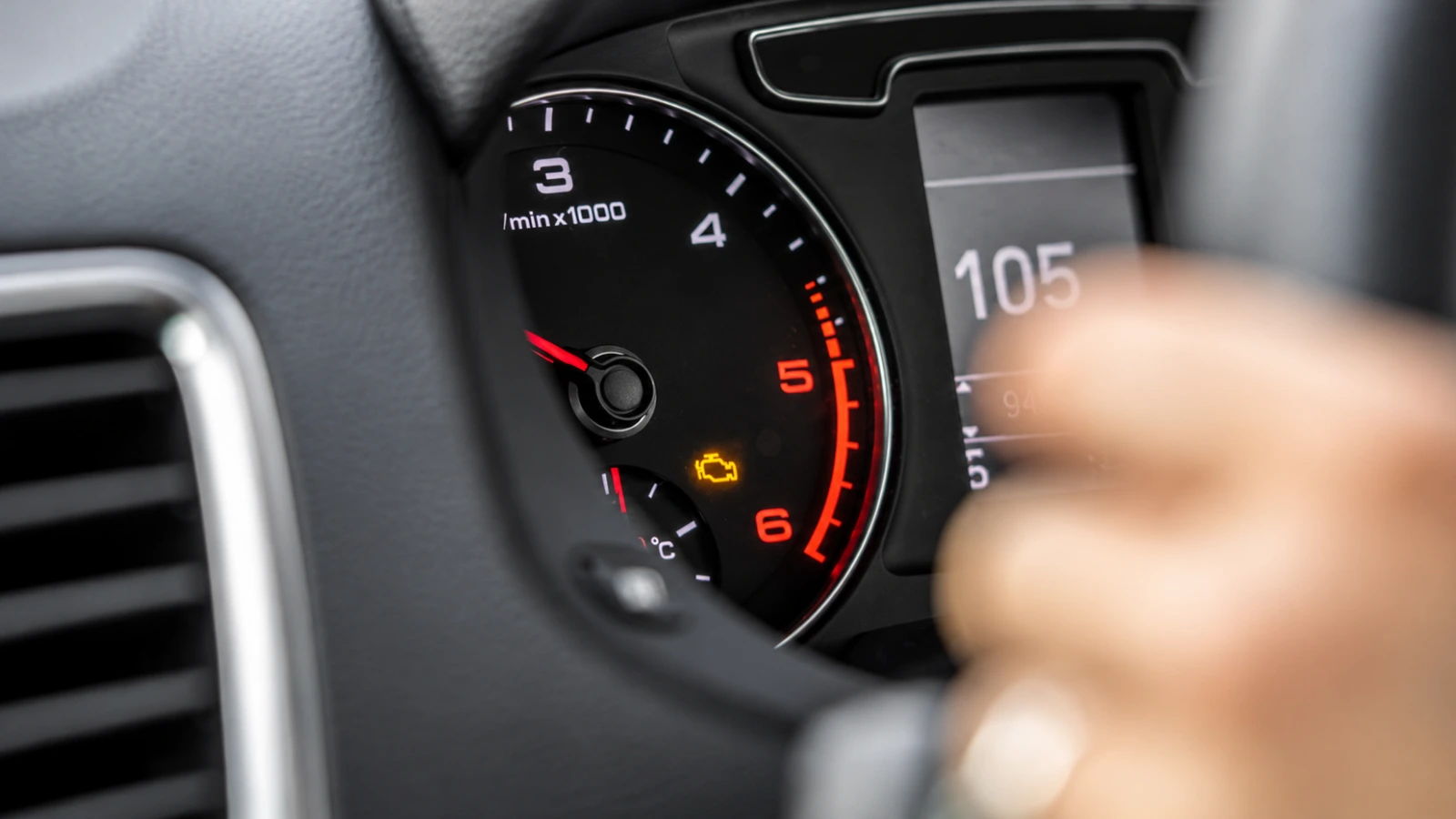
A click is a clue about where to look, not proof of a failed part. Rapid clicking generally points toward low voltage reaching the starter, which brings you back to the battery and the connection. A single click with bright dash lights is more often associated with the starter side, but a bad connection, a relay, or a start interlock can produce it too.
Note the pattern and share it with the technician: one click or many, bright or dimmed lights, and whether the engine tries to turn at all. That helps direct a proper starting-system test without anyone removing a starter at the roadside.
Do not bypass a start interlock, strike the starter, bridge terminals, or keep cycling the key or start button hoping the symptom changes. Those shortcuts can cause new damage and erase the very pattern that points to the cause.
If the Engine Cranks but Won’t Start
When the engine turns at normal speed, the battery and starter are at least delivering enough power to rotate it, so a stronger boost is unlikely to help. The problem has moved to what the engine needs in order to run.
Check only the obvious: whether there is fuel in the tank, whether a security or anti-theft light is flashing, and whether any warning message appears. Then stop repeated cranking and arrange diagnosis, because fuel, ignition, air, and engine-management faults need vehicle-specific testing.
When to Stop and Call for Help
Stop trying and arrange roadside help or a tow in any of these situations:
- Traffic exposure: You cannot work clear of traffic, or visibility is poor. AAA advises against attempting a jump in that situation.
- Battery damage: The battery is cracked, swollen, leaking, frozen, or has a strong sulfur odor.
- Heat or smoke: You see smoke, melting insulation, hot clamps or cables, or smell burning.
- Uncertainty: You cannot identify the approved jump points, the vehicle is a hybrid or EV and your manual does not cover a conventional jump, or the cables or battery are not where you expect.
- Repeated failures: Careful checks and a couple of spaced attempts have not changed the result.
Nothing here needs to be solved on the shoulder. For the immediate safety decision while stranded, see Dead Car Battery: What to Do First.
Get the Right Test Before Replacing Parts
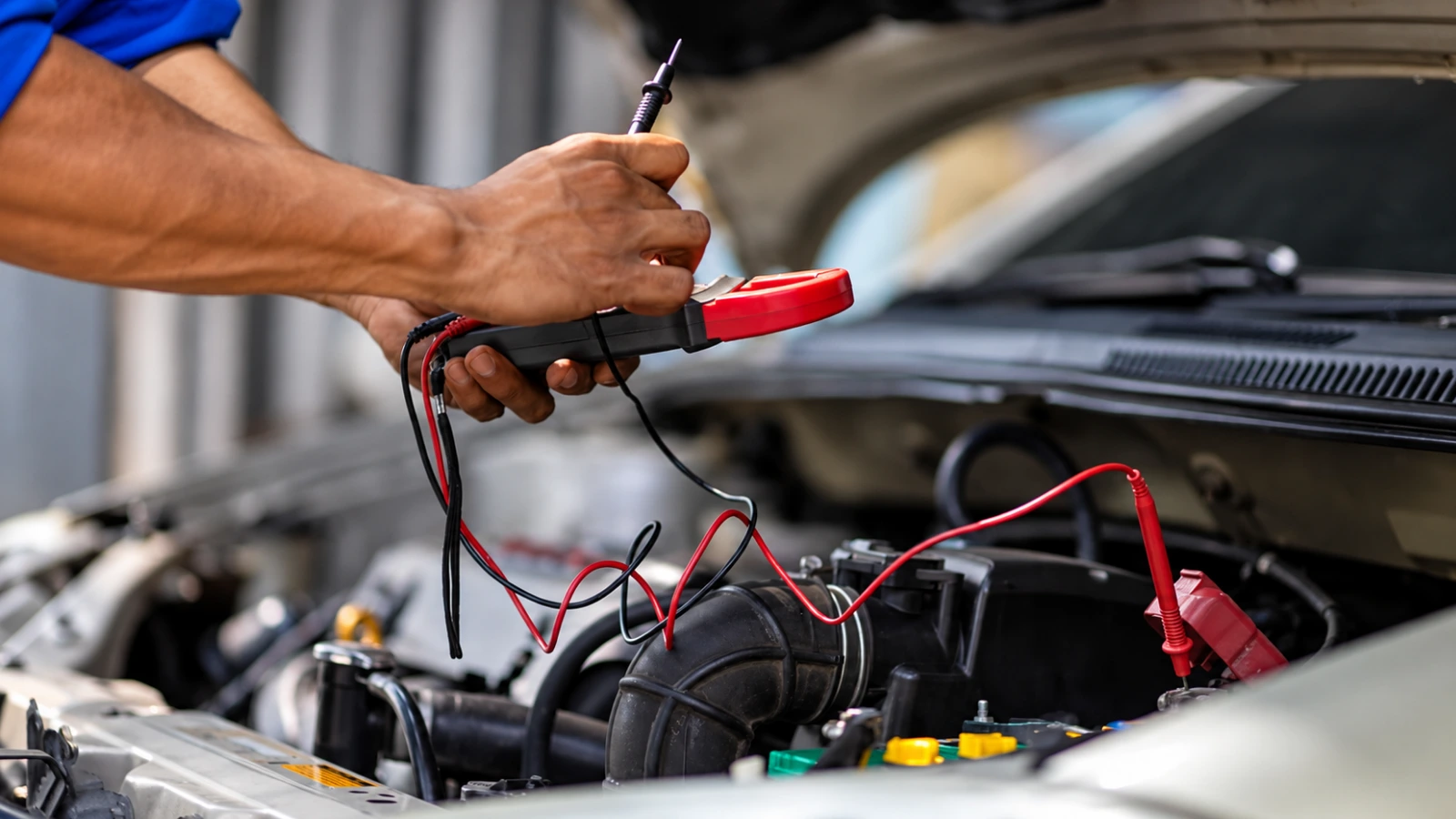
Ask for a battery test and a starting-and-charging system check, not simply a new battery. A good test depends on good information, so tell the technician:
- What the car did: no response, clicking, slow cranking, or normal cranking without starting.
- What the dash lights did and which warning lights appeared.
- How many jump attempts you made, with what (a car or a booster), and for how long.
- Visible corrosion, the battery’s approximate age, and any recent battery work.
- Whether the car ran after a boost and how long it stayed running.
Record those details before anyone disconnects the battery or clears warnings, since a reset can erase useful evidence. A successful jump only shows that outside power helped at that moment, and a battery result does not by itself settle the alternator or starter.
Use How to Test a Car Battery for the next testing decision. If the battery tests fine but the car keeps dying, continue to Bad Battery or Bad Alternator? or Why a Car Battery Keeps Dying. If the test does call for a new battery, How to Choose the Right Car Battery covers what to match.
Cost also depends on what the test finds. A battery, a starter, and a charging-system repair are very different jobs, and prices vary with the vehicle, access, and labor, which is one more reason to test before buying parts. Car Battery Replacement Cost explains what moves the total.
What to Do When a Jump-Start Doesn’t Work
If your car still won’t start after a properly prepared jump-start, begin with the simplest possibilities: poor clamp contact, an unsuitable ground point, damaged cables, or an insufficient power source. Pay attention to whether the engine clicks, cranks slowly, cranks normally, or does nothing at all. These symptoms can help narrow down the cause, but they don’t confirm that a particular component has failed. Stop attempting to start the vehicle if the battery shows damage, the equipment overheats, or repeated attempts produce no improvement.
The next step is to have the battery and starting system checked rather than immediately replacing parts. A failed jump-start doesn’t automatically mean the battery is bad, just as a successful jump doesn’t prove the charging system is healthy. If the vehicle cannot be started safely, arrange roadside assistance or a tow and share the symptoms you’ve observed with the technician.
Frequently Asked Questions
Why won’t my car start even with jumper cables?
Possible causes include poor clamp connections, damaged jumper cables, an insufficient power source, or a severely discharged battery. If the engine cranks normally but won’t start, the problem may involve fuel, ignition, or another engine system.
Why does my car click but not start after a jump?
Rapid clicking often indicates insufficient voltage reaching the starter, possibly from a weak battery or poor connections. A single click with bright dashboard lights may point to a starter-circuit problem. Neither symptom confirms a specific failed part.
Can a car battery be too dead to jump-start?
Yes. A severely discharged, deteriorated, or internally damaged battery may not respond to a jump-start, even with good connections. A frozen, swollen, leaking, or otherwise damaged battery must not be jump-started.
How long should I wait before trying to jump-start my car again?
With a donor vehicle, allowing approximately three to five minutes before attempting to start may help a discharged battery. Follow the vehicle manufacturer’s instructions, avoid prolonged cranking, and stop after repeated unsuccessful attempts.
Can a bad alternator cause a car not to jump-start?
A faulty alternator can leave the battery discharged, but it usually does not prevent an otherwise successful initial jump-start. If the engine starts with outside power and then stalls or the battery repeatedly dies, the charging system should be tested.
Does a car that won’t jump-start need a new battery?
Not necessarily. Failed jump-starts can result from poor connections, inadequate cables, starter problems, or other faults unrelated to battery condition. Have the battery and starting system tested before replacing parts.